
Cleared for Takeoff: Your Guide to Flying with Firearms
Navigating TSA Rules, Airline Policies, and Best Practices for a Secure and Stress-Free Journey

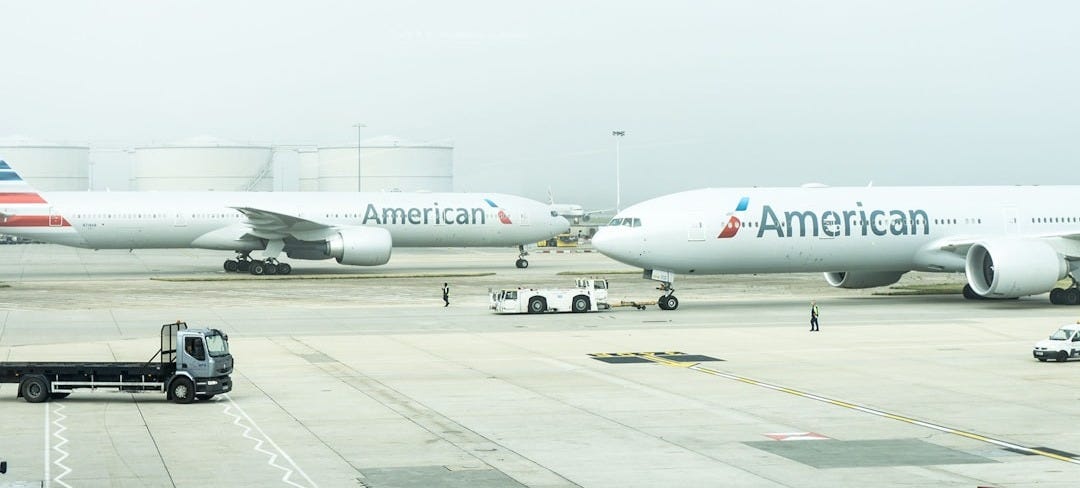
Transporting firearms via airlines is a process governed by strict regulations to ensure safety and compliance with federal laws. While it is entirely legal for responsible gun owners to check firearms in their luggage, understanding TSA regulations, airline policies, and proper packing procedures is critical. This guide covers everything you need to know about transporting firearms, including TSA rules, specific airline policies, and tips to streamline the process.
The Transportation Security Administration (TSA) has strict rules for transporting firearms and ammunition. Firearms must be unloaded and securely packed in a hard-sided container designed to prevent access. The container must be locked, and only the passenger may retain the key or combination. Firearms must be declared at the airline ticket counter during check-in and cannot be transported in carry-on luggage. Ammunition must be securely packed in its original manufacturer packaging or a hard-sided container designed specifically for ammunition. Loose or unpackaged ammunition is prohibited. The amount of ammunition allowed is generally limited to 11 pounds per passenger, though it’s important to check specific airline rules. WATCH THIS VIDEO on how to pack your firearm safely. TSA screens checked luggage containing firearms through specialized procedures. Firearms containers are inspected at the ticket counter or in a secure TSA screening area, and passengers should stay nearby in case additional inspection is required.
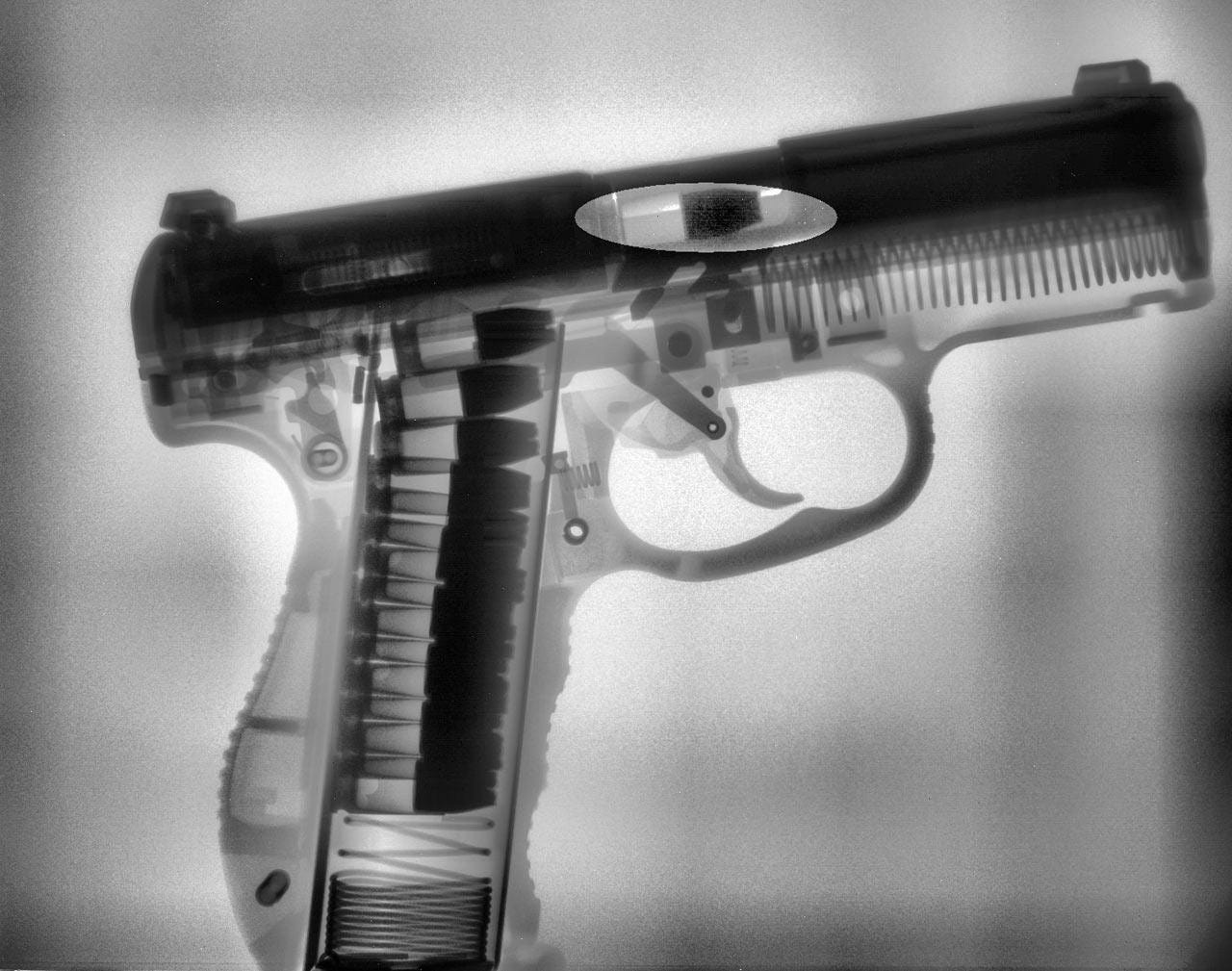
Each airline has specific policies for transporting firearms:
American Airlines: Firearms and ammunition must comply with TSA regulations. Passengers must provide advance notice at check-in, and ammunition weight is limited to 11 pounds. Standard baggage fees apply.
United Airlines: Firearms must be declared at check-in and transported in a hard-sided, locked container. Ammunition weight cannot exceed 11 pounds. Suppressors are allowed if permitted under state and federal laws. Standard baggage fees apply.
Delta Airlines: Firearms must be unloaded, locked in a hard-sided case, and declared at check-in. Ammunition weight is capped at 11 pounds, and it must be securely packed. Delta charges standard checked baggage fees.
Southwest Airlines: Firearms must be declared at the ticket counter and cannot exceed TSA’s weight limit of 11 pounds for ammunition. Ammunition must be in its original packaging or a container made for ammunition.
Allegiant Air: Allegiant enforces TSA regulations, requiring firearms to be declared and secured in a hard-sided, locked container. Ammunition weight is limited to 11 pounds, and standard checked baggage fees apply.
Frontier Airlines: Firearms must be unloaded and locked in a hard-sided container. Ammunition must comply with TSA packaging requirements, and checked baggage fees apply.
Firearms must be transported in a hard-sided container designed to prevent unauthorized access. The container should be made of durable material resistant to impact and feature secure locking mechanisms. It is strongly recommended to use high-quality, non-TSA locks for added security, as only you should have access to the container during transit and not anyone else.

Upon arrival at your destination, firearms will typically be delivered to the airline’s baggage office or a secure area rather than the general baggage carousel. Passengers must present identification and claim check to retrieve their firearm. Policies for firearm pickup vary by airport, so it’s important to familiarize yourself with local procedures in advance.
National Firearms Act (NFA) items, such as suppressors, short-barreled rifles, or machine guns, can also be transported via airlines if the traveler possesses the necessary tax stamps and paperwork. These items must comply with TSA regulations and airline policies. Suppressors, for example, can be transported if packed securely in a hard-sided container and declared at check-in. It is advisable to carry digital and paper copies of ATF Form 5320.20 or Form 4 as proof of legal ownership and transport permission. See our article on crossing state lines.

For added security and peace of mind, consider placing one or two GPS trackers, such as Apple AirTags, inside your firearm container. These devices can help you track the location of your luggage if it is delayed or misplaced. The Federal Aviation Administration stated in a statement that Apple AirTags are permitted onboard commercial aircraft,
“Luggage tracking devices powered by lithium metal cells that have 0.3 grams or less of lithium can be used on checked baggage. Apple AirTags meet this threshold; other luggage tracking devices may not.”
Other tips include arriving at the airport early to allow time for check-in and TSA inspections, double-checking all required paperwork such as permits and tax stamps, and ensuring your firearm case and locks are in good condition before travel. Additionally, research state and local firearm laws at your destination to ensure compliance.
Transporting firearms via airlines is entirely legal when done correctly, but it requires adherence to TSA regulations and airline-specific policies. Proper preparation, including securely packing your firearms and ammunition, declaring them at check-in, and taking extra precautions like using GPS trackers, can help ensure a smooth and lawful journey.
Disclaimer: This article is for informational purposes only and does not constitute legal advice. Always consult TSA guidelines, airline policies, and local laws before transporting firearms.
Copyright © 2024 WH Intellectual Properties, LLC. All rights reserved.